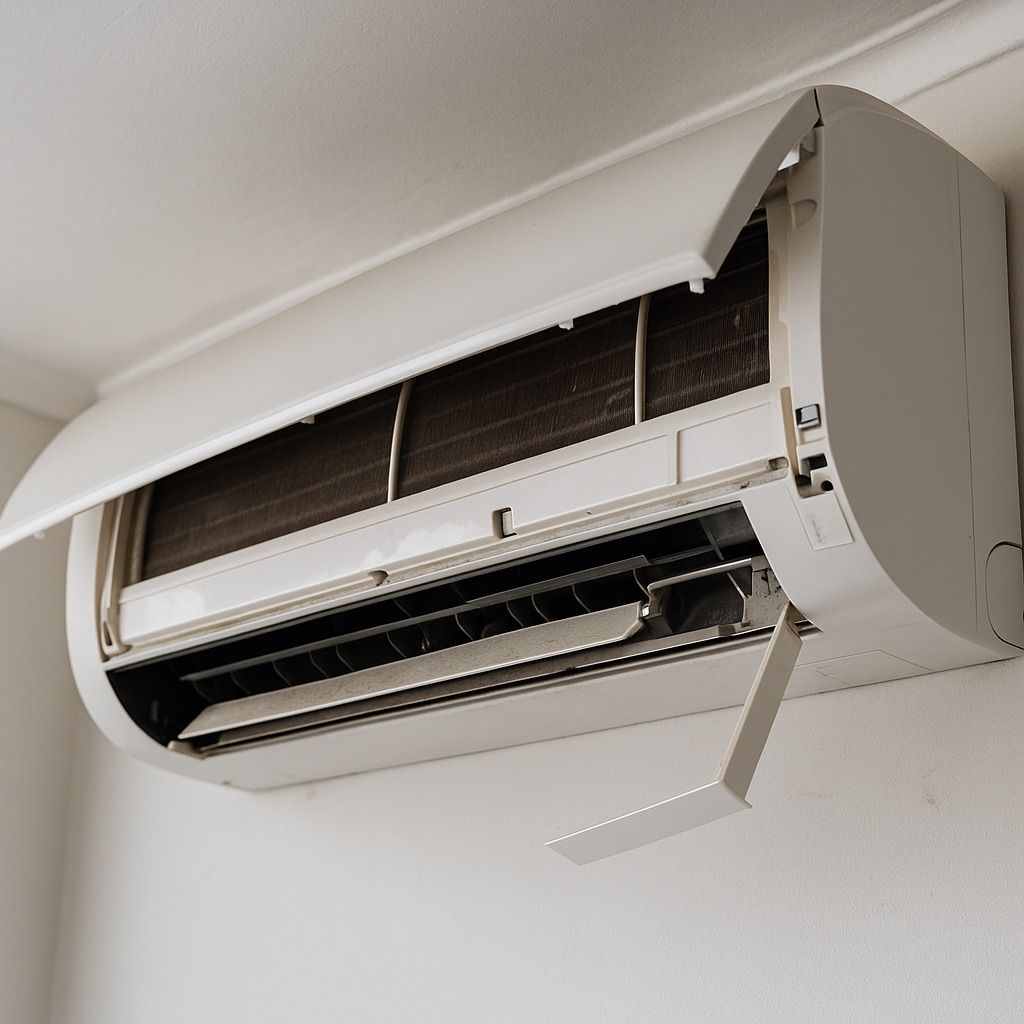
When an air con begins to behave strangely, most people think the whole system has failed. In most cases, the probrlem comes from a few small air con parts. The three that cause the most trouble are the air con thermistor, the air con fan blade, and the air conditioner controller. These parts play a big role in how well the system cools, heats and moves air. Once one of them starts to wear out, the whole unit feels weaker.
Summer puts extra pressure on these parts, and that is when problems show up the fastest. If you learn the early signs, you can fix the issue before the system stops completely. Below we explain what each part does and how to spot trouble early.
Why the air con thermistor matters
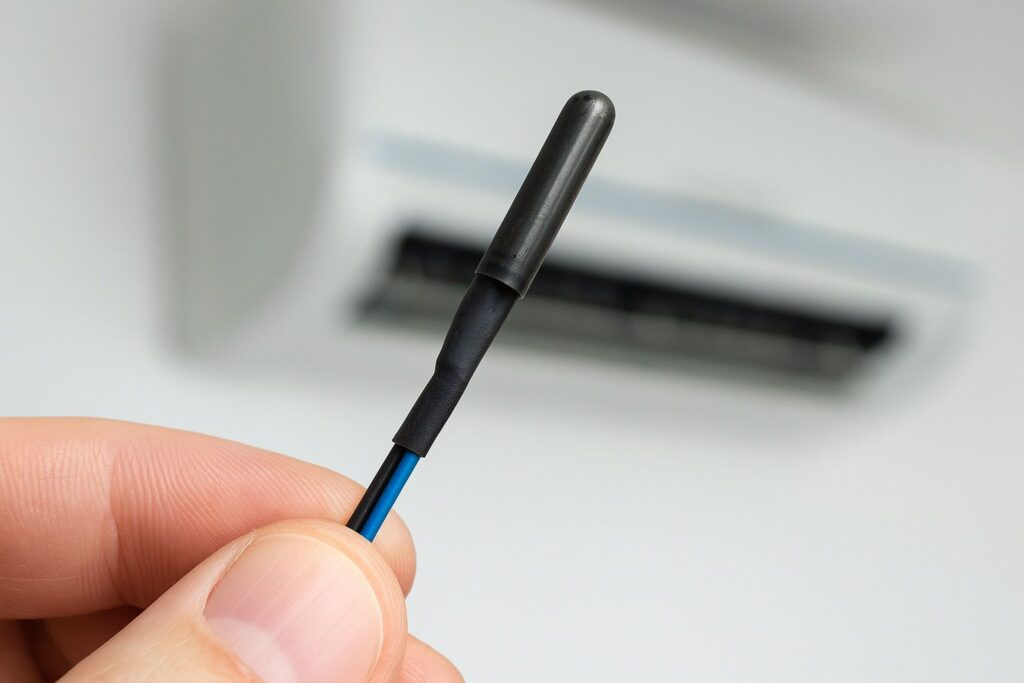
The air con thermistor is a small temperature sensor inside the indoor unit. It tells the system how warm the room is and when to start or stop cooling. Even though it is tiny, the air con thermistor affects every part of the cooling cycle. When the air con thermistor begins to fail, the air con cannot read the room temperature correctly.
A faulty air con sensor creates strange cooling patterns. You might notice the system turns off too early or stays on for too long. The air con thermistor might read the room as colder or hotter than it really is. This leads to uneven cooling, warm patches or long waits for the room to reach the set temperature.
Here are signs your air con thermistor is failing:
• cool air that comes and goes
• the system switching off fast
• long cooling cycles
• the room staying warm even with the temperature set low
• short bursts of cold air
These problems happen because the air con thermistor sends the wrong information to the indoor board. The unit thinks the room is already cool, or it thinks the room is very warm, even when it is not.
The air con thermistor is one of the most replaced air conditioner parts, simply because heat, dust and age affect it. If the air con thermistor fails completely, the air con may shut down or refuse to switch modes.
The air con thermistor plays a huge role in energy use too. When the reading is wrong, the air con works harder than it should. Fixing the air con thermistor often brings back strong cooling and saves power.
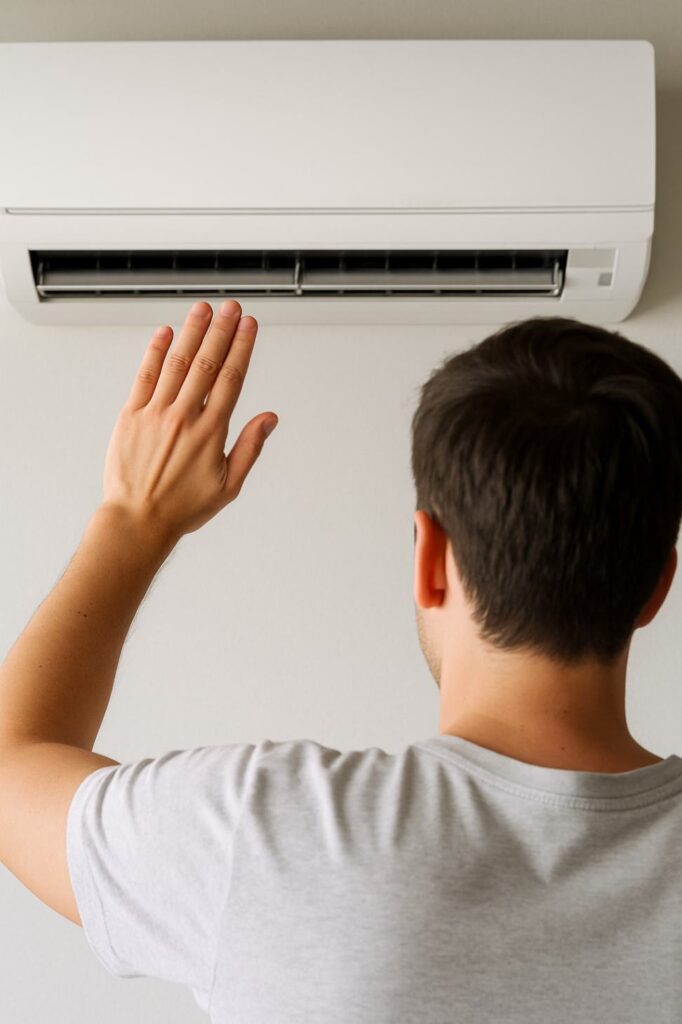
How the air con fan blade affects airflow
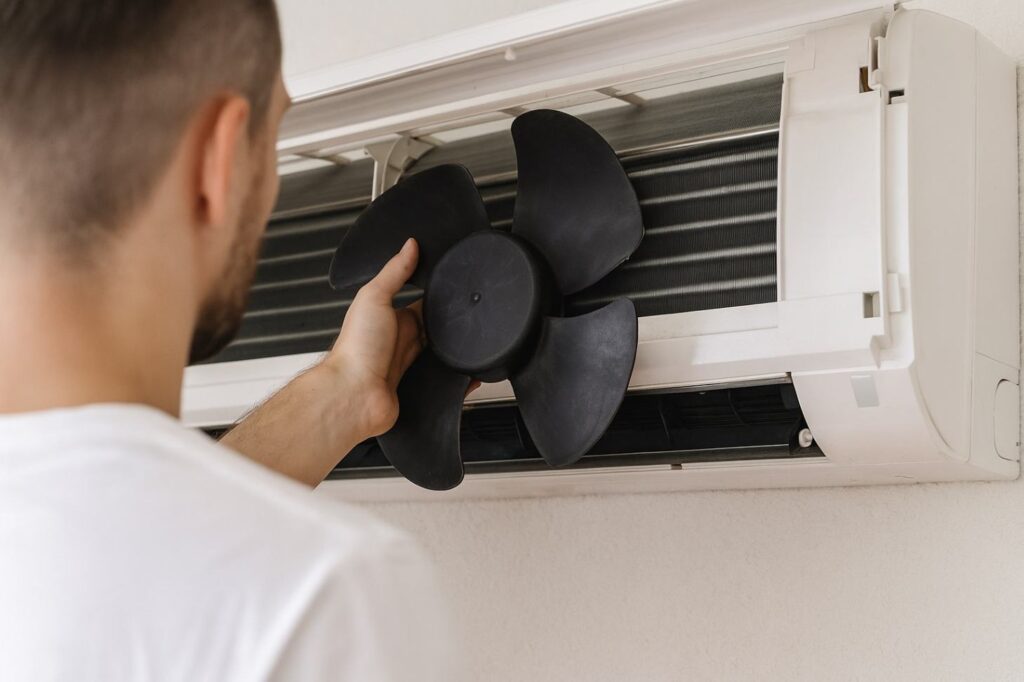
The air con fan blade is responsible for pushing air across the coil and into the room. Without a strong air con fan blade, the system cannot move air properly. This creates weak airflow, slow cooling and warm patches across the room.
A damaged air con fan blade also makes noise. You may hear rattling, tapping, humming or scraping. This usually means the air con fan blade is cracked, bent or loose. The more it wobbles, the weaker the airflow becomes.
Common signs your air con fan blade needs replacing:
• loud rattling
• uneven airflow
• weak air pressure
• warm air even on cool mode
• vibration inside the indoor unit
The air con fan blade can split from heat or age. Dust buildup also throws the air con fan blade off balance. Once the air con fan blade becomes unstable, the motor has to work harder. This strain can damage the motor if left too long.
A fresh air con fan blade restores strong, even airflow. Many homes find their air con returns to full strength just by replacing the air con fan blade. Like the air con thermistor, it is one of the air conditioner parts that has a big impact on cooling.
The air con fan blade is often ignored during maintenance. But it affects every part of the cooling cycle. A worn air con fan blade makes the whole system feel weak.
What the air conditioner controller does
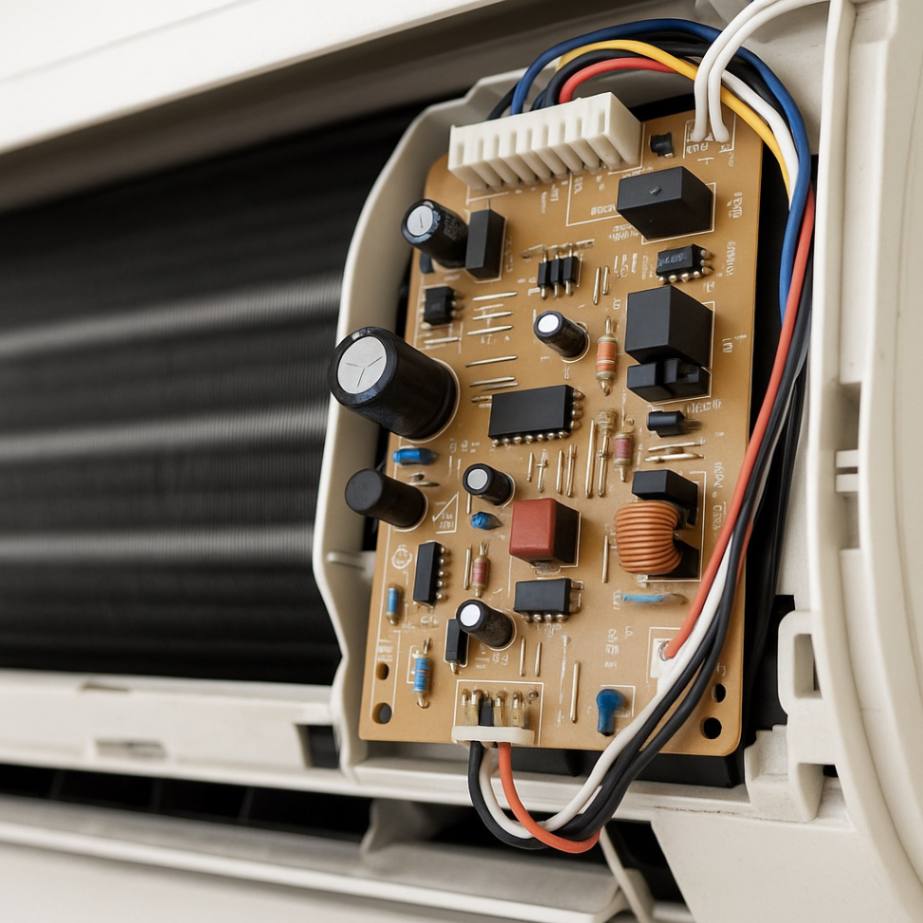
The air conditioner controller handles all the commands. It listens to signals from the air con remote control, the sensors and the internal boards. When the air conditioner controller becomes weak, the air con may ignore commands or change settings on its own. You might notice the fan speed jump, the mode switch by itself or the unit turning off without warning.
A weak air conditioner controller also affects the timing of each cycle. The system may start cooling at the wrong moment or refuse to switch into the right mode. In many cases, the system behaves as if someone else is pressing the buttons.
Many people confuse a failing air conditioner controller with a bad remote or dirty air con filter. But if fresh batteries and a replacement air con remote do nothing, the problem is inside the unit. A new air conditioner controller brings the system back to stable operation.
How to tell which part is failing
It can be tricky to know whether the air con thermistor, the air con fan blade, or the air conditioner controller is the issue. Each part creates different symptoms.
Here is a simple guide.
Signs of a failing thermistor
A failing air con thermistor makes the unit behave unpredictably. Cooling feels random. The system shuts off or stays on at strange times. The room feels warmer than the number on the display. If the air con feels confused, the air con thermistor is usually the cause.
Signs of a failing fan blade
A broken air con fan blade makes noise and reduces airflow. You might hear rattling or tapping inside the indoor head. Air might blow harder on one side and softer on the other. Weak airflow almost always points to the air con fan blade.
Signs of a failing controller
A weak air conditioner controller changes settings on its own. The unit may ignore temperature changes or switch modes without reason. If your remote works fine but the air con does not respond, the controller is likely failing.
Why these parts fail more in summer
Summer heat affects every part of the air con. The air con thermistor sits close to the coil, and constant heat changes make it lose accuracy. Dust rises inside the unit, which weakens the air con thermistor further.
The air con fan blade spins for many hours each day. Heat, dust and long run times weaken it. If the air con fan blade already has a small crack, summer heat makes it worse.
The air conditioner controller also heats up during long cycles. When the indoor unit becomes very warm, the controller works harder to manage signals. Older controllers fail faster in summer.
These three parts work together. If one fails, the others feel the pressure. This is why summer is the time most homes notice trouble with these air conditioner parts.
When to call Sydney Appliance Service
A failing air con thermistor, air con fan blade, or air conditioner controller usually needs replacing rather than repairing. These parts sit inside the unit and require proper tools to access.
If you hear rattling, see weak airflow, notice strange cooling cycles or feel the unit acting confused, one of these air conditioner parts is likely the cause.
Fixing these parts early prevents extra strain on the motor and board. Many air cons that seem weak simply need a new air con thermistor or air con fan blade.
Keep your air con working
Strong cooling depends on a healthy air con thermistor, a steady air con fan blade, and a responsive controller. These parts help the unit stay cool, quiet and steady during long summer days. When one part weakens, the whole system feels the change.
Replacing a worn air con thermistor brings back accurate temperature control. Replacing a damaged air con fan blade restores strong airflow. Fixing the controller brings stability back to every cycle.
Together, they protect the other air conditioner parts and keep the system working the way it should.
Reach out to us if you need help changing these parts or any other appliance repair. You can also check our happy customer reviews for appliance repairs on Google.